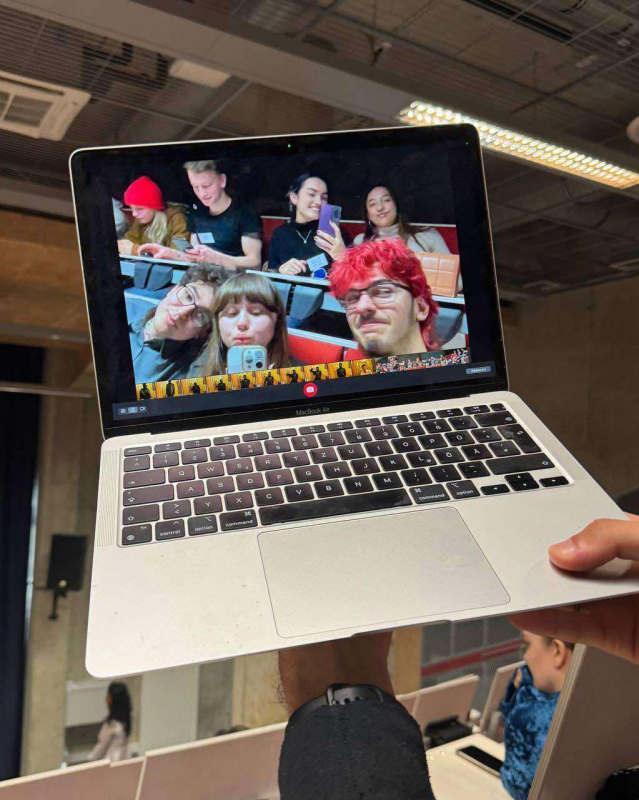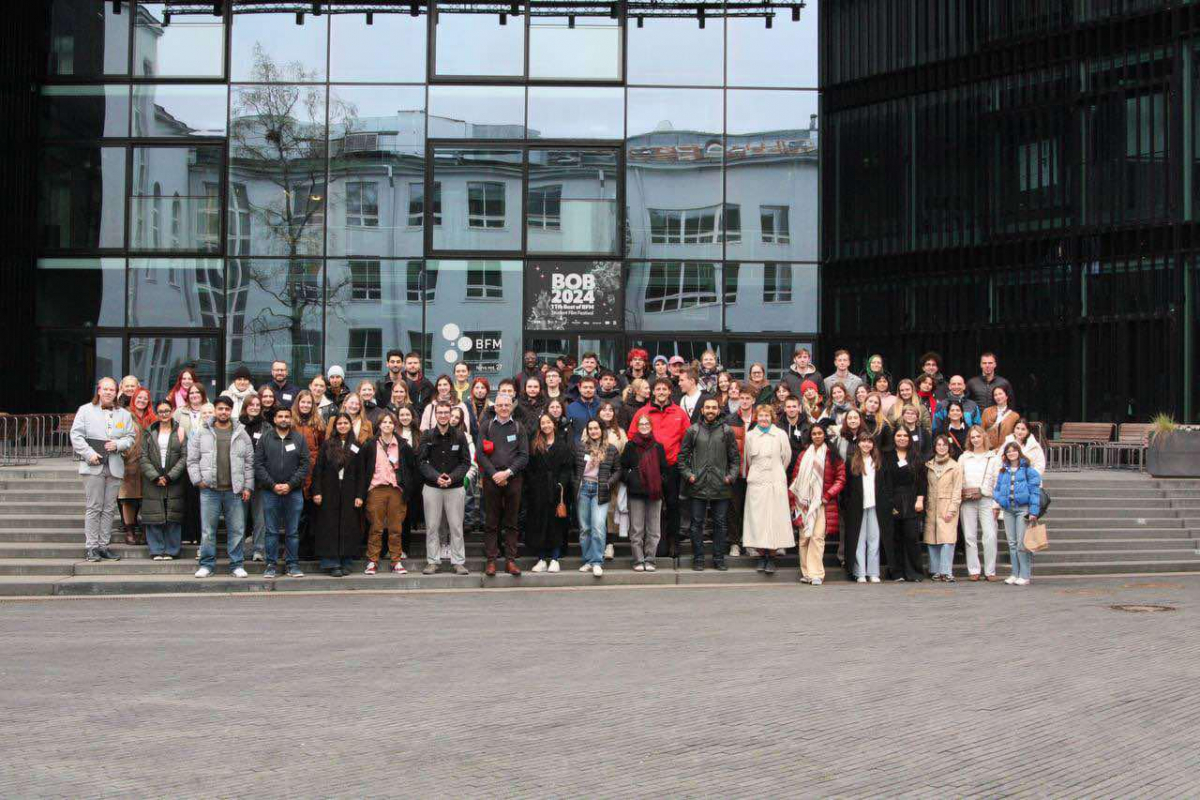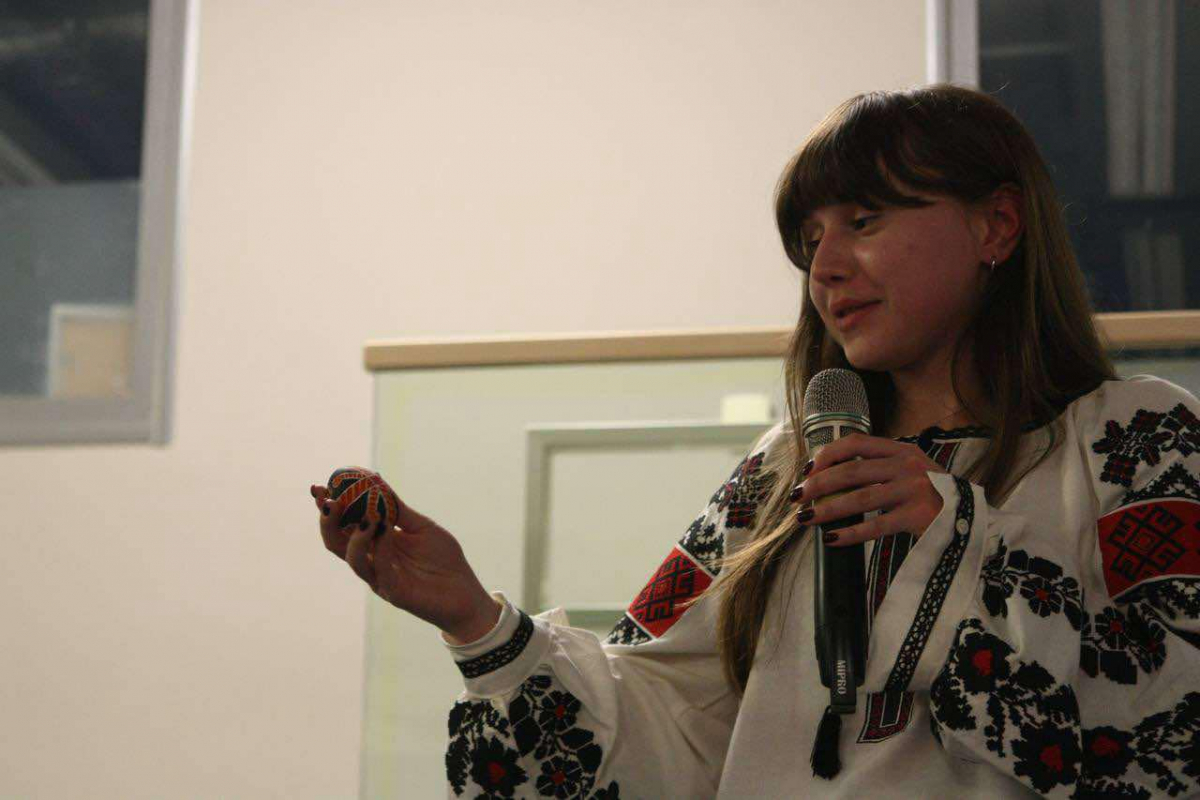
Uliana Bilyk, a second–year student at the Institute of Architecture and Design of Lviv Polytechnic National University, took part in a conference organized by Tallinn University within the Baltic University Programme. The event was held from 23 to 26 April and brought together around 80 students from various fields like economics, ecology, geography, architecture, IT, and more. The conference theme was 'Water and the Baltic City: Building Climate Resilience'. Uliana shared her impressions of the programme, describing the learning format, which included lectures, practical activities, and interdisciplinary discussions that helped deepen participants’ understanding of today’s environmental challenges.
The Baltic University Programme (BUP) is an international academic network that unites more than 110 universities from across the Baltic region, including Poland, Sweden, Finland, Lithuania, Latvia, Estonia, Germany, the Czech Republic, and others. The Programme is coordinated by Uppsala University in Sweden.
— What motivated you to participate in the Baltic University Programme?
— I was looking for exchange opportunities abroad and came across this conference. The topic was of great interest for me, as it relates to my field of study. I was also curious to gain international experience and saw it as a great chance to practice my English.
— Which university hosted the conference?
— It took place at Tallinn University (Estonia) over three days.
— What were the biggest differences between studying abroad and studying at Lviv Polytechnic?
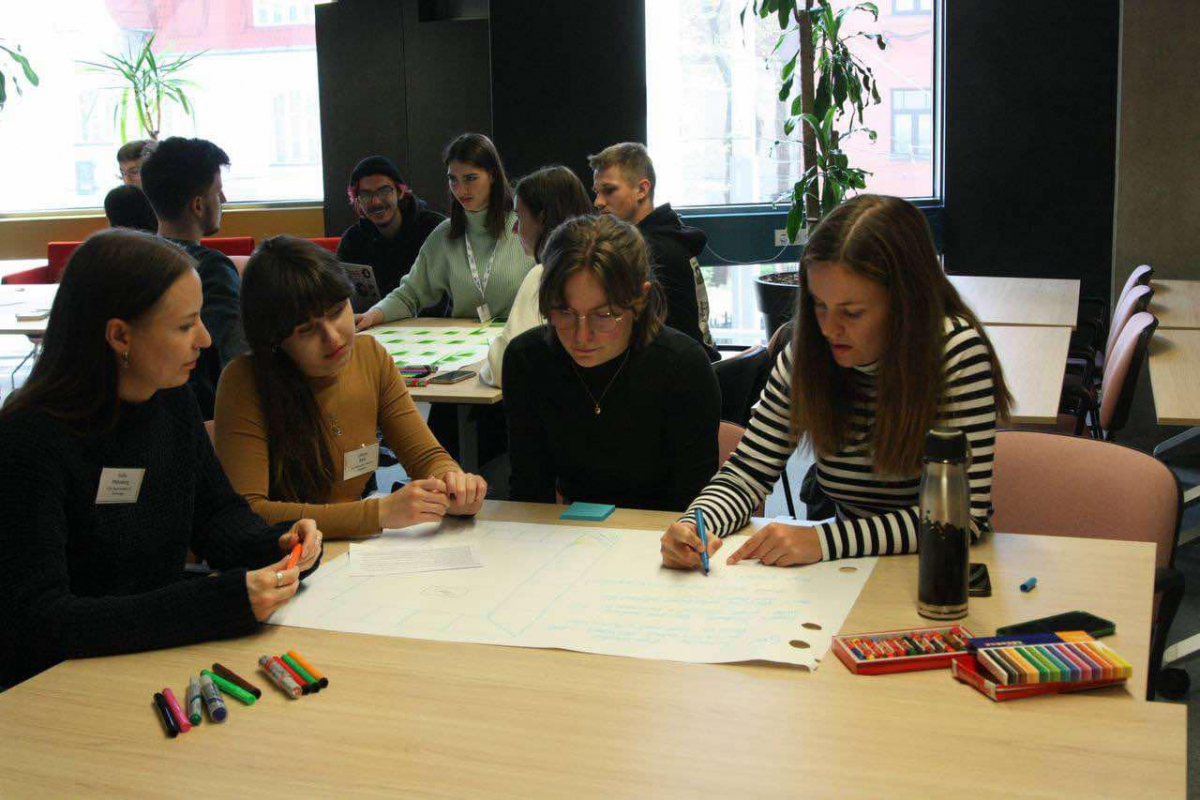
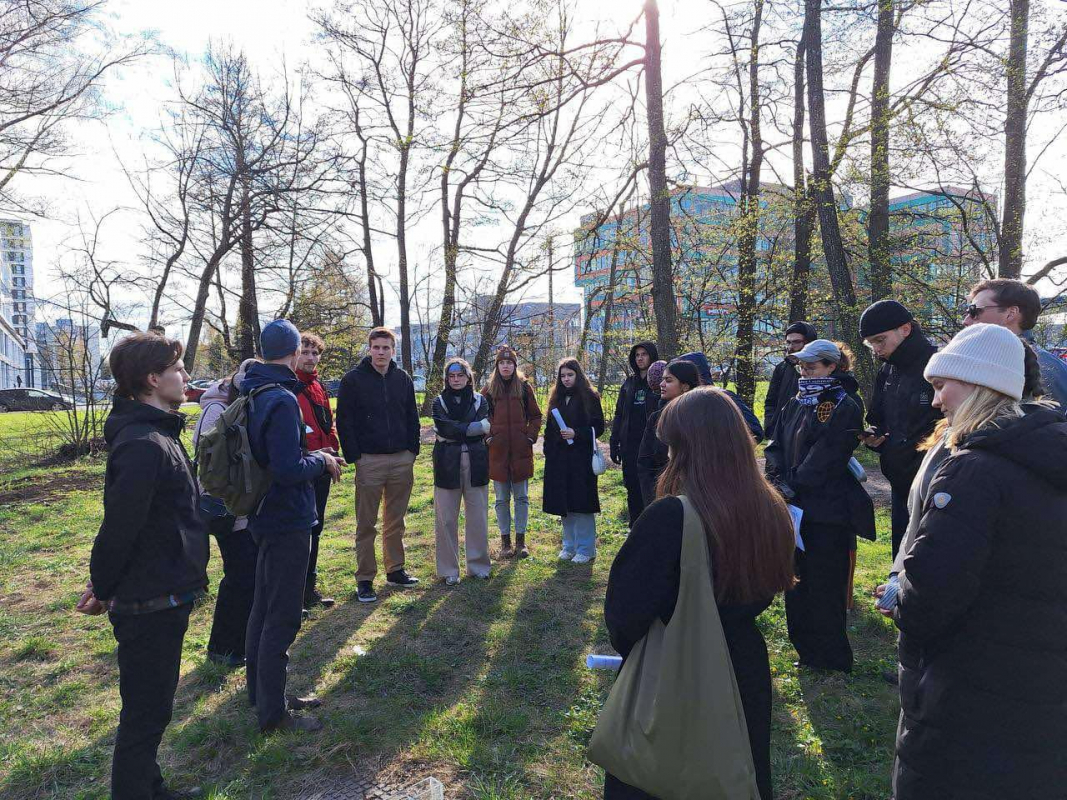
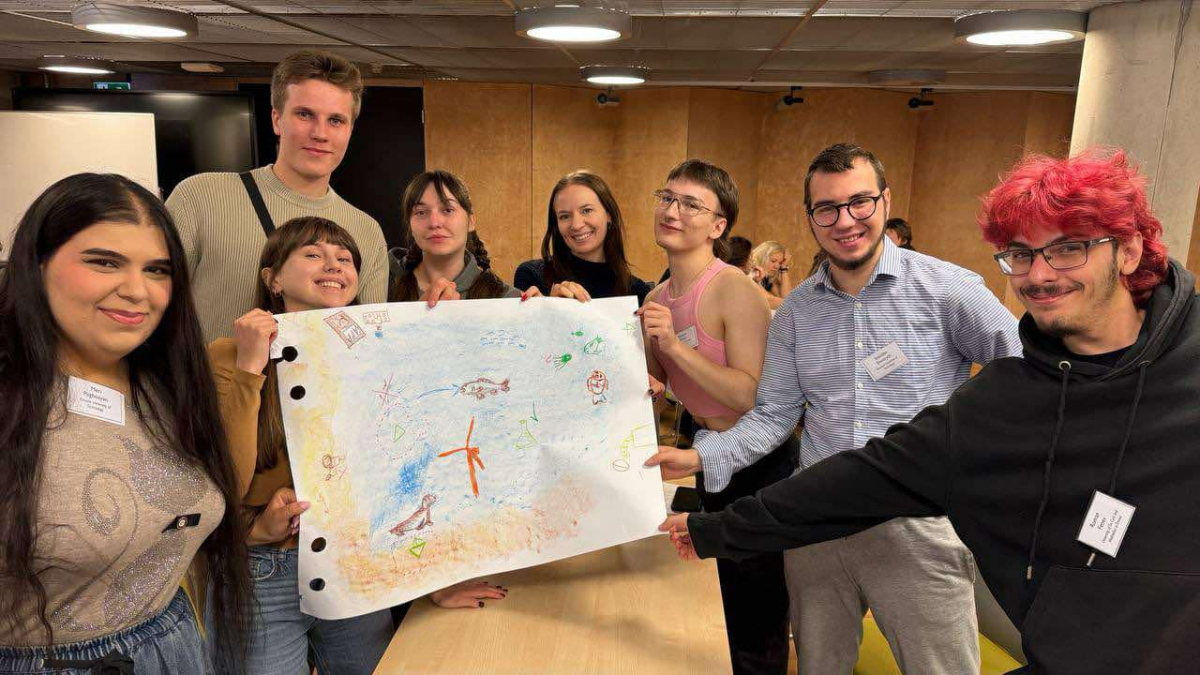
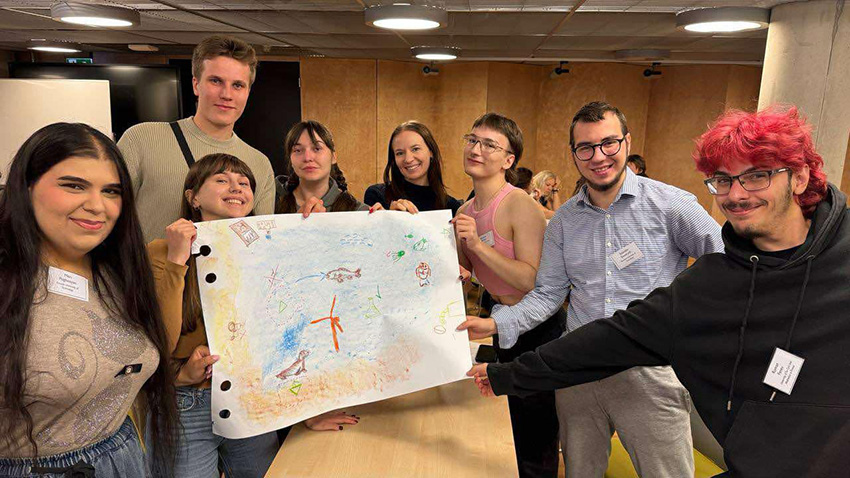
— There were many more team activities like workshops, excursions. All the learning was interactive, so I remembered a lot of information quite well.
— What did you learn about your field during the programme?
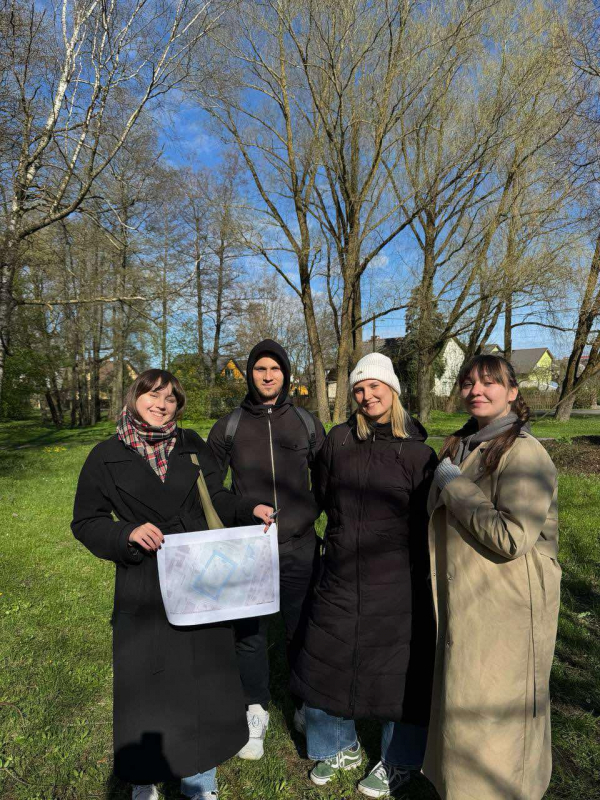
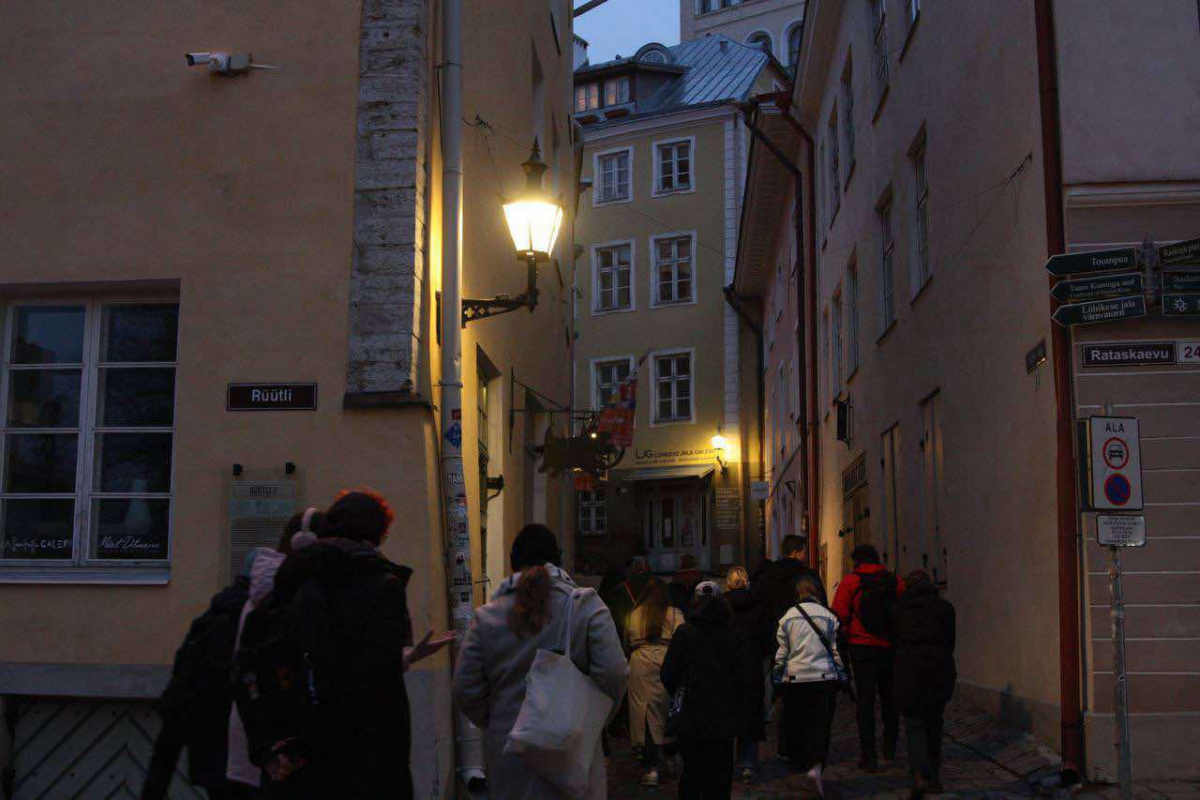
— Ecology is closely linked to urban planning. Even though the conference didn’t involve direct urban planning practice, during workshops we explored many public spaces and parks. Space formation happens through small steps in every aspect of our lives, and when guided by sustainable development principles, we can create comfortable cities for decades ahead.
— How did you manage your time and priorities while studying abroad?
— The conference followed a very intense schedule: from 7:30 to 20:00, and sometimes even 22:00. Good time management was largely thanks to the organizers as all lectures started on time, excursions were short but useful, and there were small breaks. After each day, I felt tired but satisfied with every moment.
— Which time–management skills helped you the most?
— Washing my hair quickly. The conference schedule was fully planned, so I only needed to keep up and be on time.
— Did you experience any difficulties adapting to the new learning environment? How did you overcome them?
— I didn’t know anyone at the conference (which was the point as participants were selected anonymously and randomly to encourage communication), the city was unfamiliar, and it was my first experience using English constantly. It was scary, but from the very first minute the organizers and the other students welcomed me with smiles. The first lunch was the most productive, I met so many people because everyone was open to communication.
— What impressed you most about the teaching methods at Tallinn University?
— The openness and accessibility of lecturers. During lunch we could talk to professors and conference organizers, these were sincere, friendly conversations.
— Did your attitude toward studying change after participating in the programme?
— Workshops and excursions are very creative teaching methods because you remember information much better. It was also a valuable teamwork experience. In general, the main difference between foreign and Ukrainian universities is that abroad students are encouraged to think about problems without pressure. You didn’t have to participate in the workshops, but they were so interesting that no one wanted to miss anything.
— How did this trip influence your academic or career goals?
— A major obstacle for me when choosing international opportunities was the language barrier. It stopped me from trying many programmes. I know many students feel the same. But after this conference I realized it’s not a problem at all. International cooperation actually helps you improve your language skills. So try, and don’t be afraid of anything :)
— What extracurricular interests or hobbies did you discover during the programme?
— I became interested in blue spaces, it is an important element of urban environment development. It’s also fascinating to explore examples of such spaces, and this topic may help me in my studies in Ukraine.
— What do you like most about studying at Lviv Polytechnic?
— Architecture students can work with real sites and real examples in Lviv. We can conduct urban analysis of existing areas, visit locations to assess the current situation, and receive feedback from lecturers at every project stage. I really value that.
— Would you recommend the Baltic University Programme to other students? Why?
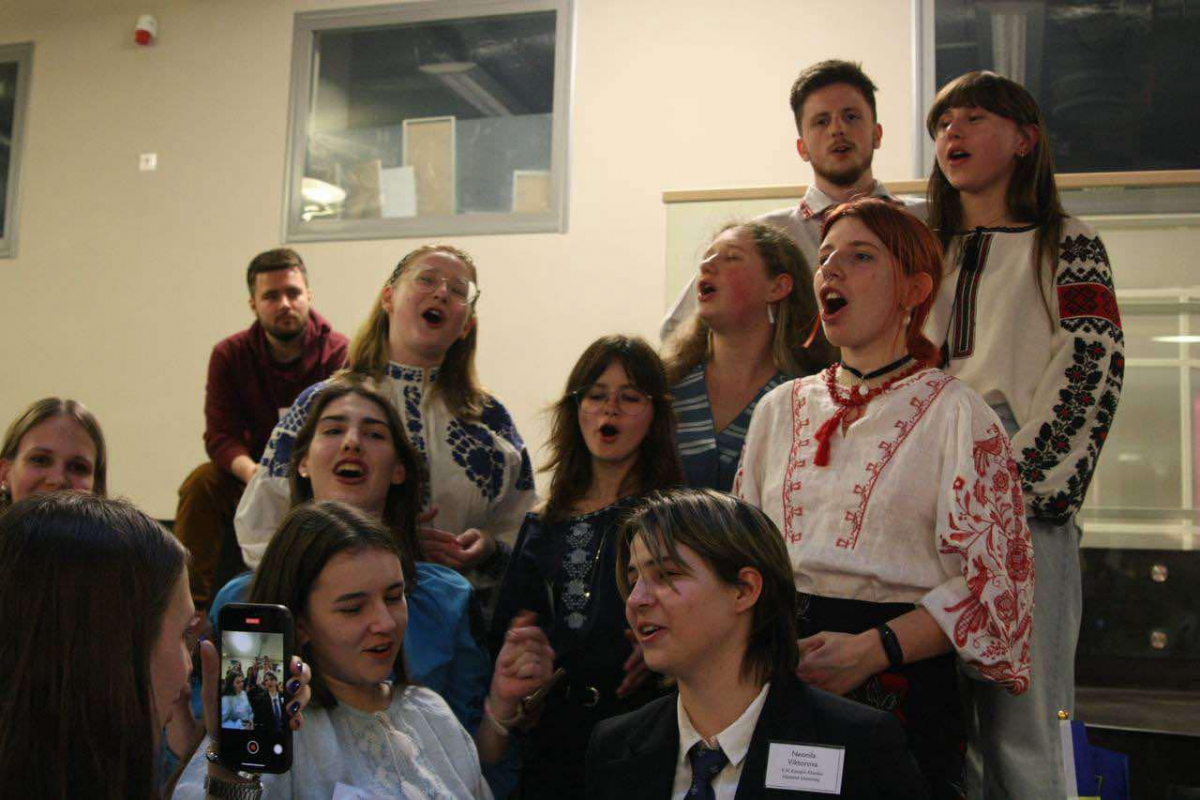
— The Baltic University Programme is a wonderful opportunity to build international connections and make new friends. There were 80 students from different BUP partner countries. We all shared a common topic and it made communication easy with absolutely everyone.
— What is the most valuable advice you can give to those who want to participate in such programmes?
— It’s not scary if you fail, it’s scary if you don’t even try. Always try new things, any experience is valuable, whether it’s a conference, an academic exchange, a forum, or just volunteering.